Roman & Roller Shades
Fabric, folded with intent.
A Roman shade gives you the warmth of a curtain in the footprint of a blind. Folded flat against the head when raised, it leaves the window open; lowered, it is simply a panel of cloth holding the light back.
Styles
Three folds.
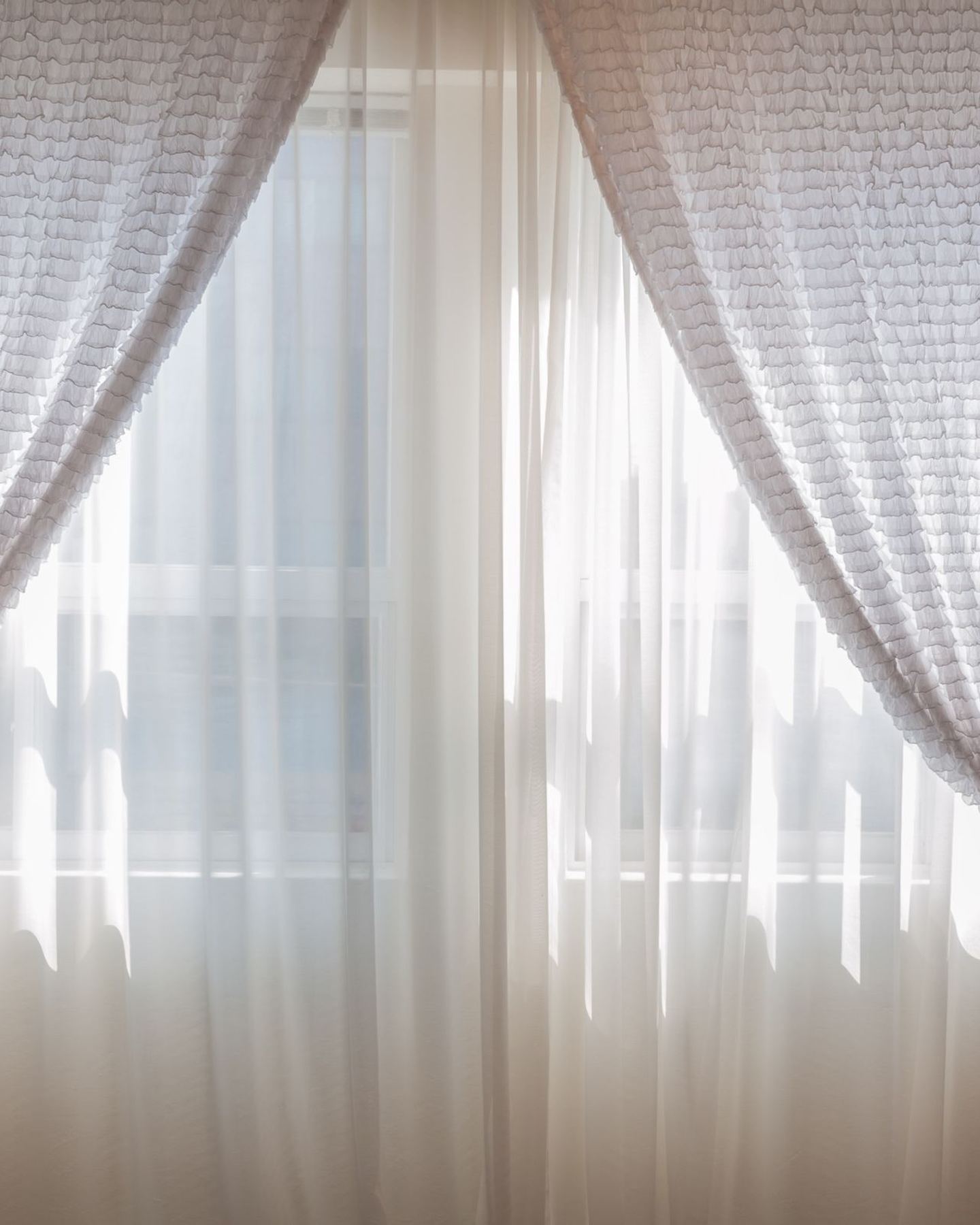
Classic Roman
Soft horizontal folds that gather as the shade rises. The warmest option, and the one that most reads as furniture rather than fitting.
Flat Roman
A single clean panel with no fold until it lifts. Quiet and architectural — the choice where the fabric itself is the point.
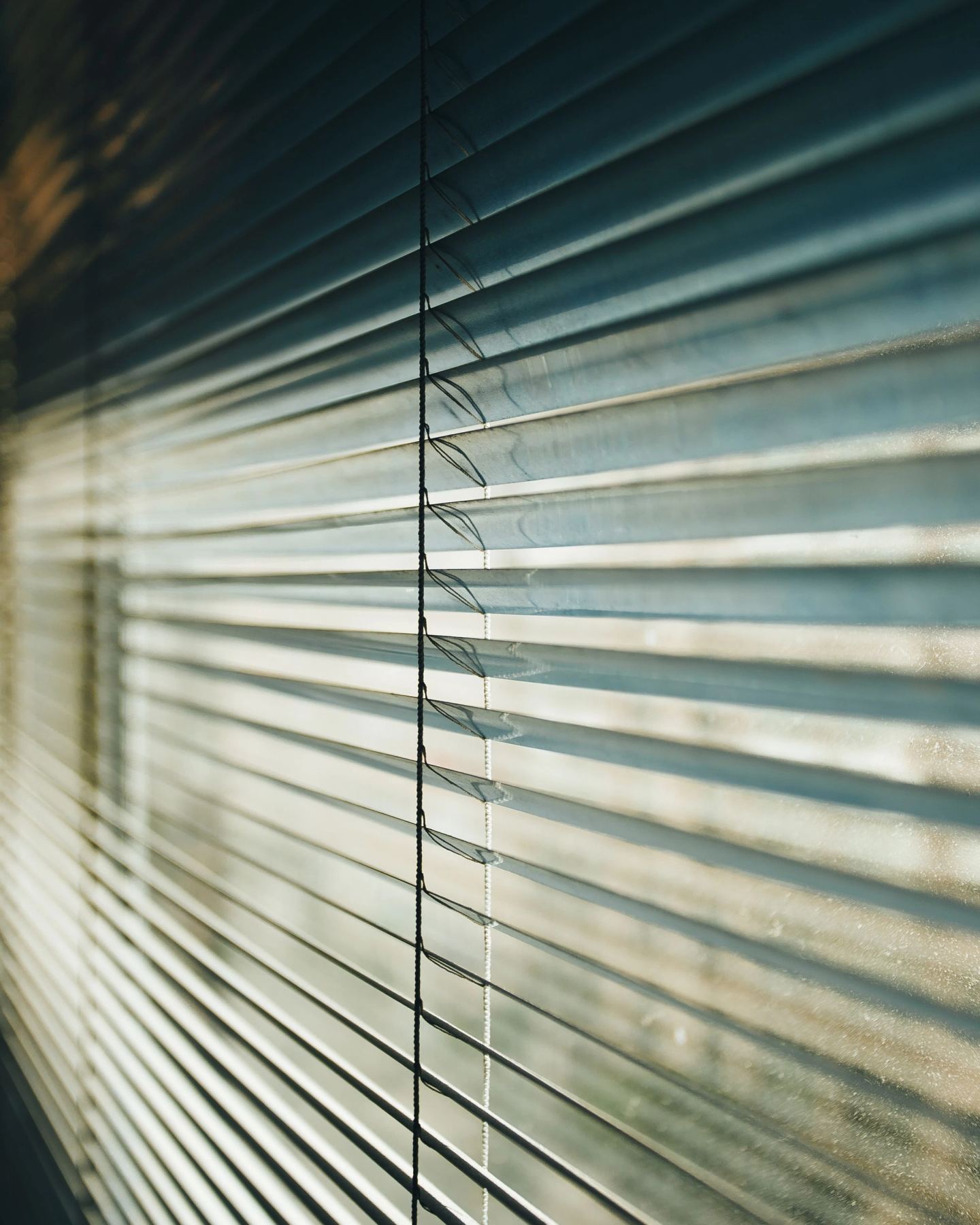
Roller
The plainest fitting we make. Rolls to a slim cassette that disappears into the reveal, in sunscreen, translucent or blockout.
Considerations
The practical questions.
Light control
Romans can be interlined for warmth or blockout-lined for darkness without changing how the face fabric looks from inside. The lining is chosen at the measure, once we have seen which way the room faces.
Width and weight
Beyond about 2.4 metres a single Roman becomes heavy and starts to sag in the middle. Wide windows are better served by two shades meeting at a centre line, which we set out so the join falls where it looks deliberate.
Cleaning
Vacuum along the folds with a brush head. Romans are dry clean only — the lining and the rod pockets do not survive a wash.
Child safety
Chain-operated shades are fitted with a tensioned safety device anchored to the wall. Motorised Romans remove the chain altogether.
Where they suit
Bedrooms, studies and any room where a hard blind would feel cold. In wet areas we would steer you to PVC shutters or a roller instead — fabric and steam are a poor pairing.
See it in your own light.
We bring fabric samples to the measure.
No obligation. We measure, you decide.