Curtains & Sheers
Softness, with structure.
Curtains are the one covering that changes how a room sounds as well as how it looks. Cut to the full drop and hung from the right heading, they read as architecture. Cut short, they read as an afterthought — so we never cut them short.
Headings
Three ways to hang.
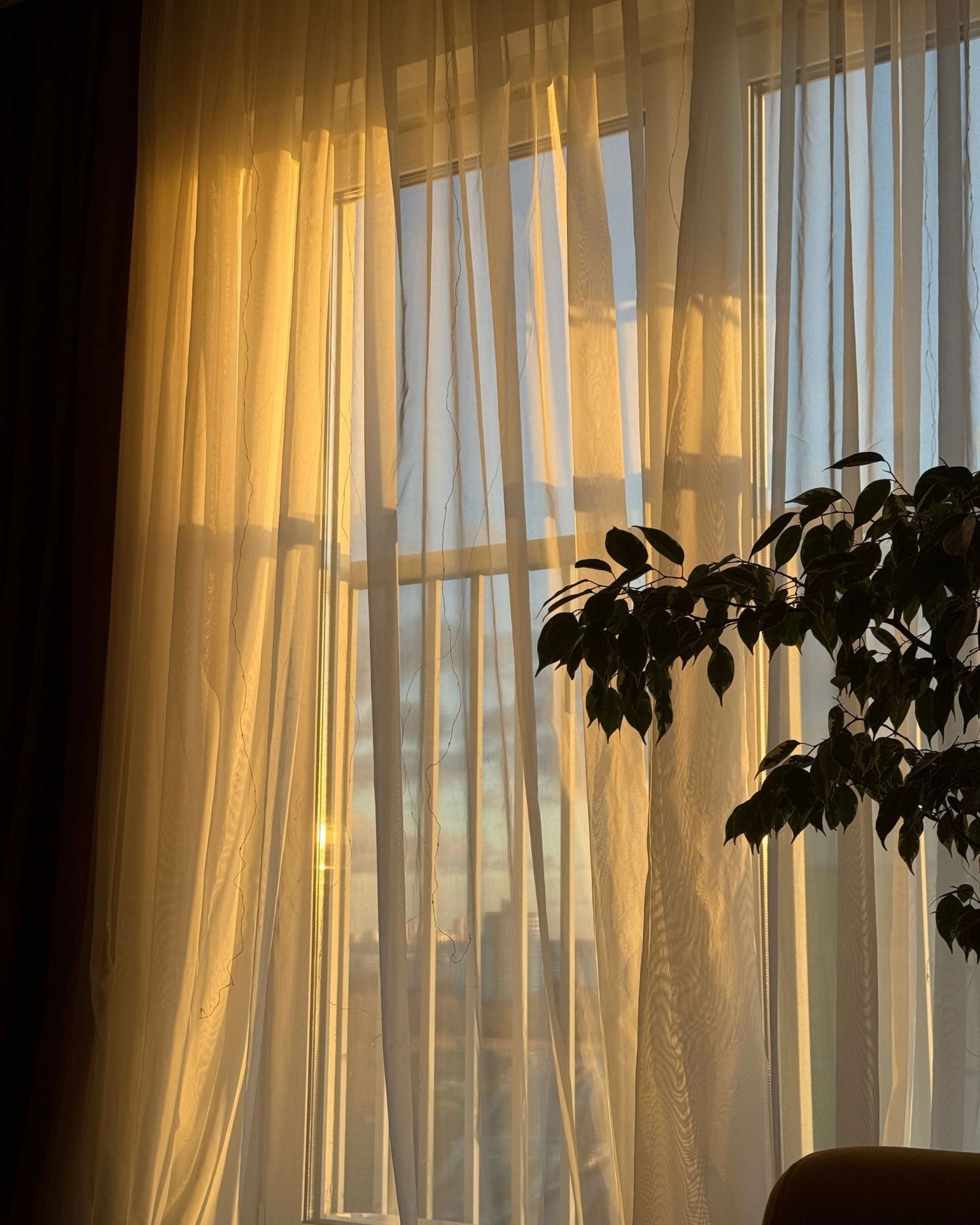
S-fold
A continuous, even wave from a recessed track. The quietest and most contemporary heading, and the one that stacks back the tightest.
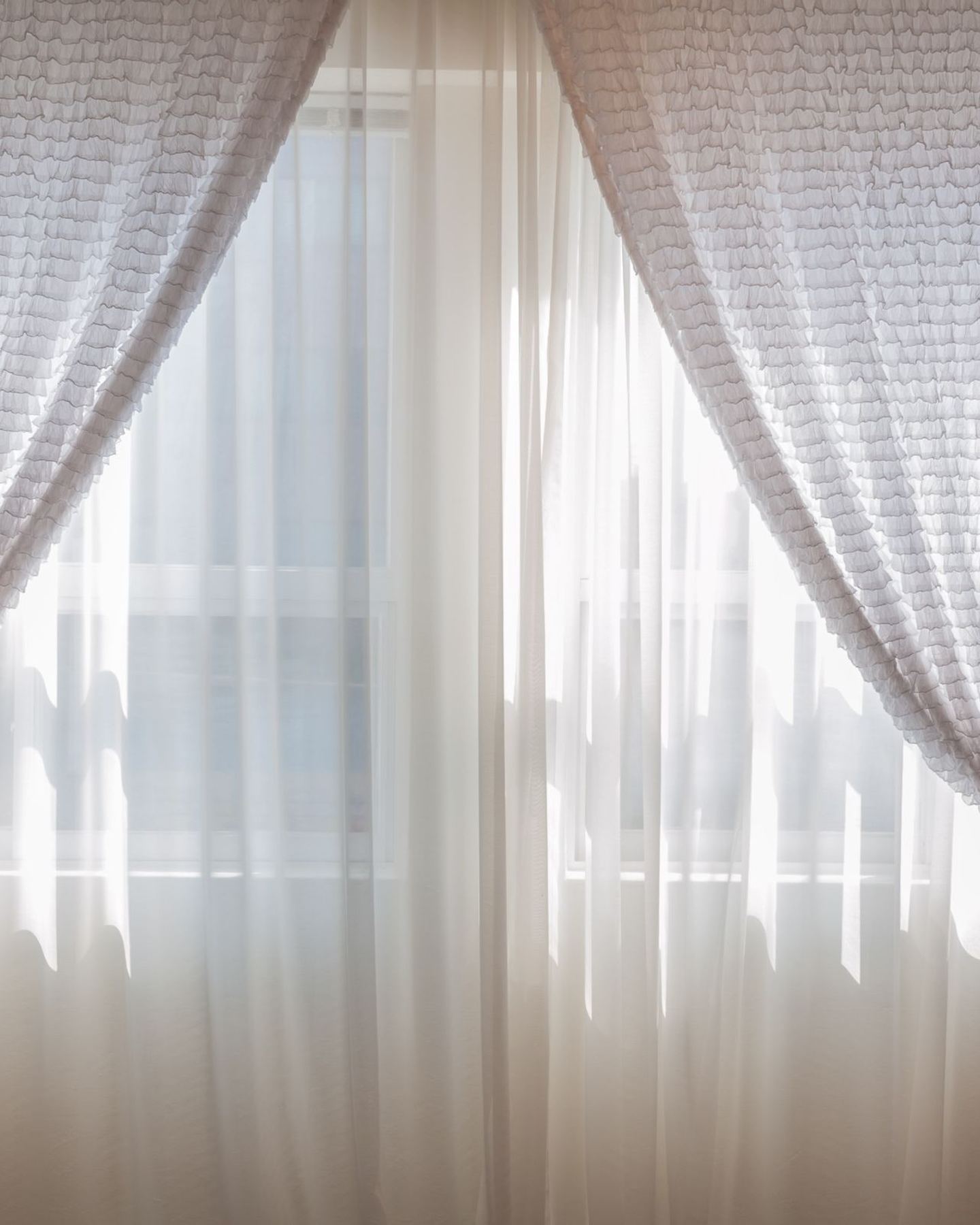
Pinch pleat
Hand-formed pleats at the top, holding a deliberate rhythm across the drop. Traditional, tailored, and at home in a period room.
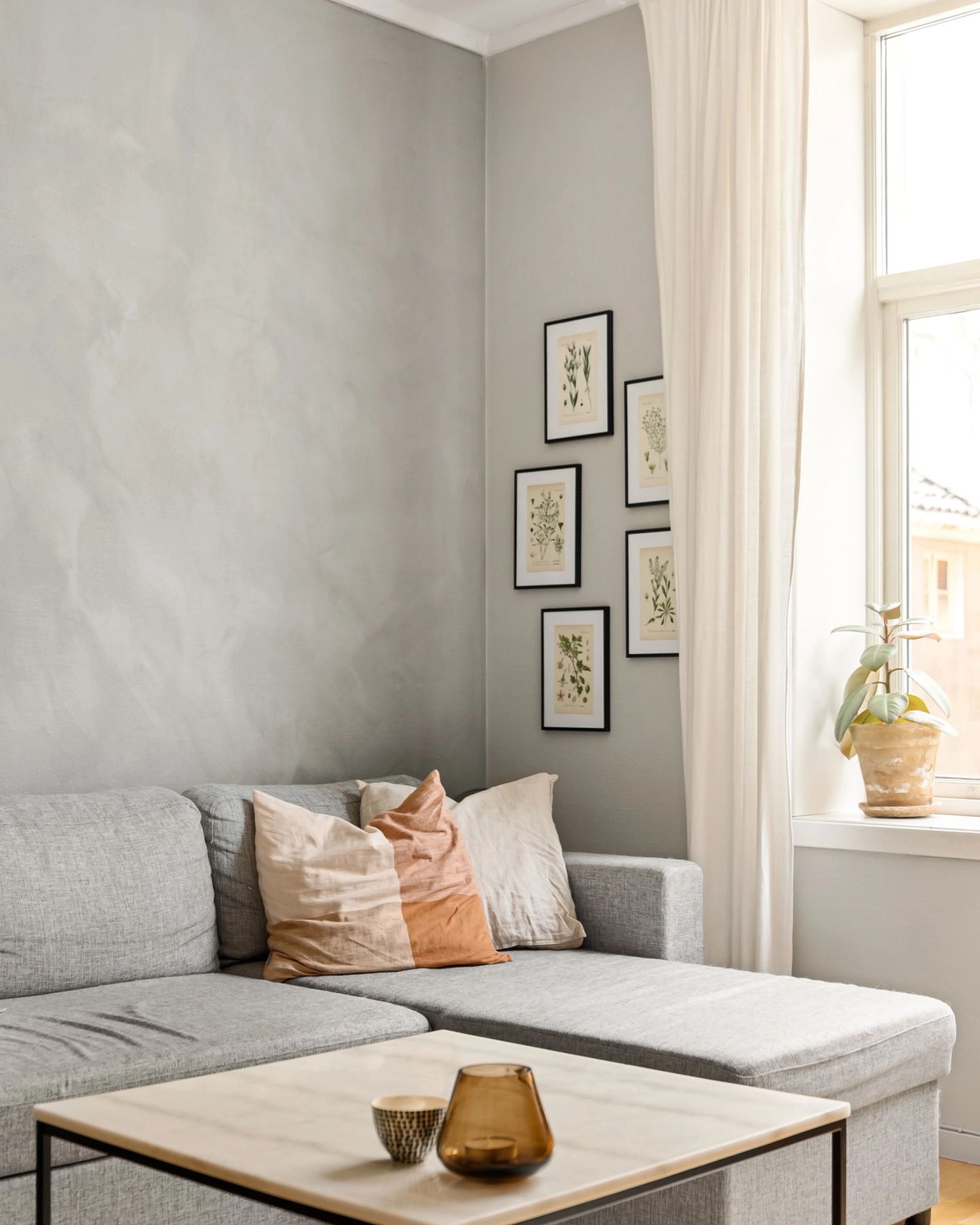
Sheers
Hung alone to hold daytime privacy without losing light, or layered in front of a blockout so one window can do both.
Considerations
The practical questions.
Light control
A blockout lining is what darkens a room, not the face fabric. Where a bedroom needs to be genuinely dark, we run the track wider than the window and return the ends to the wall so light cannot creep round the edge.
Fabric and fall
Weight decides the drape. Heavier weaves hold a deeper, more even fold; light linens move but need more fullness to avoid looking thin. We bring both to hold against your own light before you choose.
Cleaning
Most curtains want dry cleaning rather than washing, which shrinks and distorts the hem. Sheers can usually be gently machine washed and re-hung damp so they drop straight.
Child safety
Corded tracks are fitted with tensioned safety devices anchored to the wall. Wand-operated and motorised tracks have no cord at all, which is what we recommend where children sleep.
Tracks and pelmets
Track can be face-fixed, ceiling-fixed or recessed into the plaster for a shadow line. A recessed track is decided before the plasterer finishes, so it is worth raising early in a renovation.
See it in your own light.
We bring fabric to hang against your own windows.
No obligation. We measure, you decide.